【Field Trip】Inside KYMCO: Manufacturing Strategy in Practice
Written by Chelsea Kendra Lemmuela
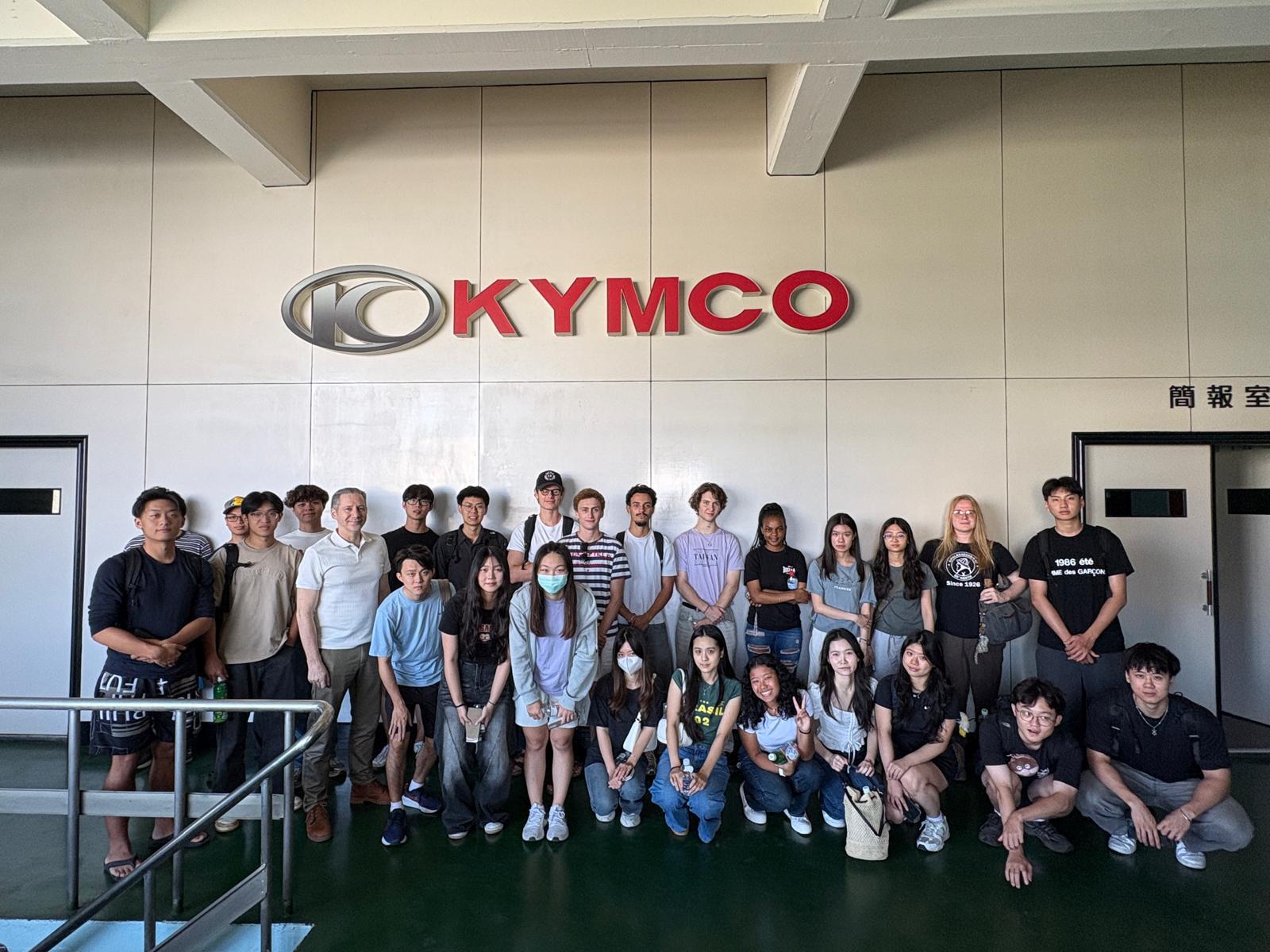
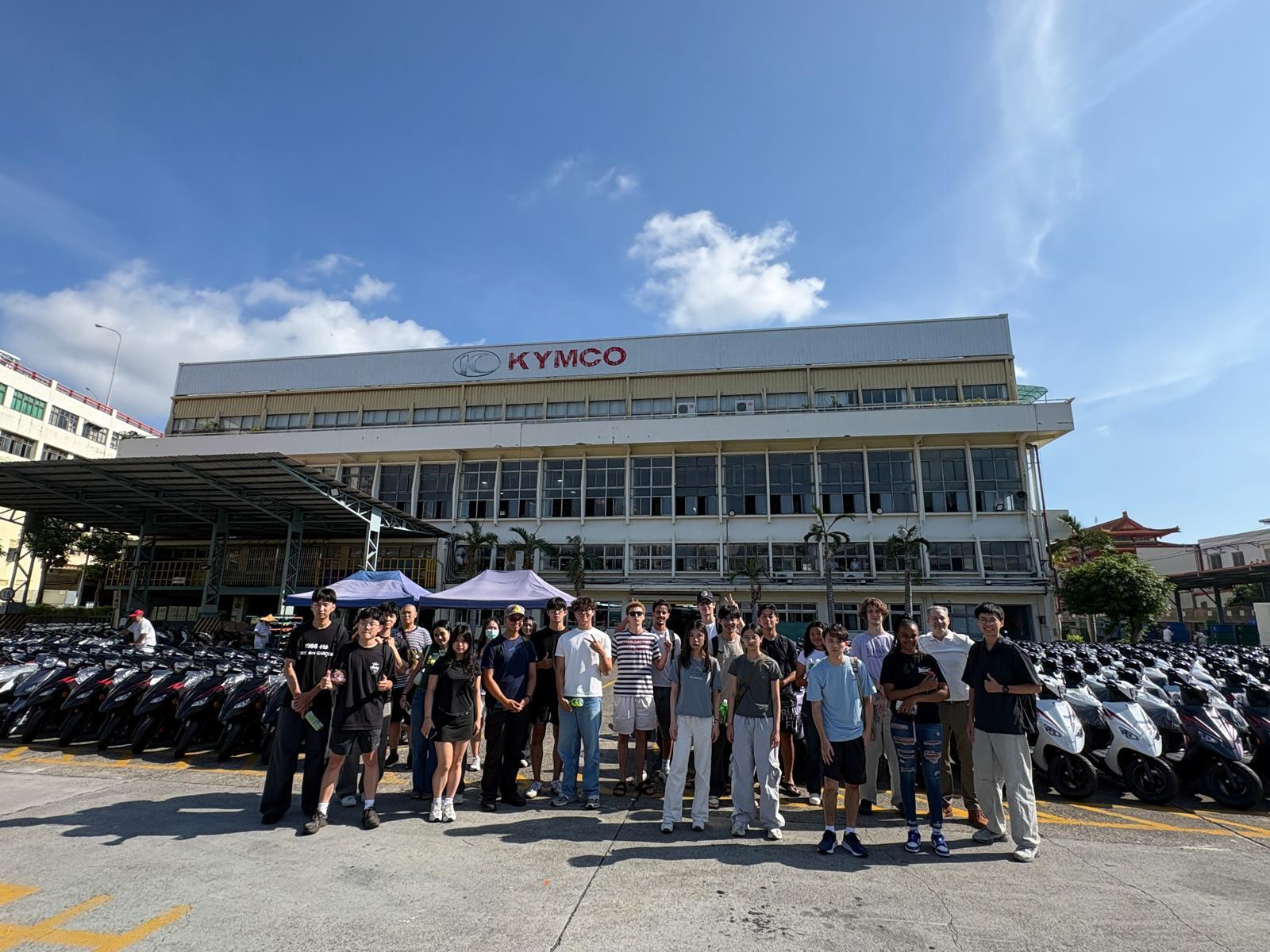
As part of our International Business learning experience, students visited KYMCO, one of Taiwan’s leading motorcycle and scooter manufacturers, headquartered in Kaohsiung. The visit provided a direct view of how a major manufacturing company connects production systems, international expansion, supply-chain planning, trade conditions, and future mobility strategy. Rather than seeing these ideas only through classroom cases, students were able to observe how financial and strategic decisions are reflected in the daily operations of a real company.
During the factory tour, students followed the production process from component preparation to final assembly and inspection. Each stage of the line had a clear function, including frame mounting, engine fitting, electrical installation, bodywork, and quality control. The process showed how production efficiency depends not only on machinery and labor, but also on planning, timing, quality checks, and coordination across departments. This was especially useful for understanding how operating decisions can influence costs, capacity, working capital needs, and long-term competitiveness.
One of the most interesting points from the visit was KYMCO’s role beyond its own brand. Students learned that KYMCO also manufactures for major international names, including Kawasaki and Harley-Davidson. This helped show how Taiwanese manufacturers can compete globally through original equipment manufacturing, technical capability, and trusted production standards. The discussion also connected to KYMCO’s partnership with BMW and its continued investment in both electric and internal combustion vehicle development. These partnerships highlighted how firms must evaluate future growth opportunities while balancing technological uncertainty, market demand, and investment risk.
The visit also showed how production location is a strategic financial decision. KYMCO operates across Taiwan, China, and Vietnam, with Taiwan serving as a technical and quality anchor for more specialized components. Labor-intensive assembly can then be carried out in lower-cost locations. This structure allows KYMCO to manage cost efficiency while maintaining control over important technical capabilities. It also showed students that international production decisions are not based only on labor costs, but also on quality requirements, logistics, tariffs, and access to regional markets.
Trade terms and tariffs were another important part of the discussion. KYMCO uses Free on Board terms for international shipments, meaning that responsibility transfers once goods are loaded at the port. When students asked who bears tariffs and taxes after the scooter reaches the importing country, the answer clarified that the importer is responsible for those costs. This helped students see how trade terms affect pricing, competitiveness, and market entry decisions. It also showed why manufacturing in Vietnam or China may create advantages when selling into certain ASEAN markets, where tariff treatment and regional trade agreements can affect the final cost structure.
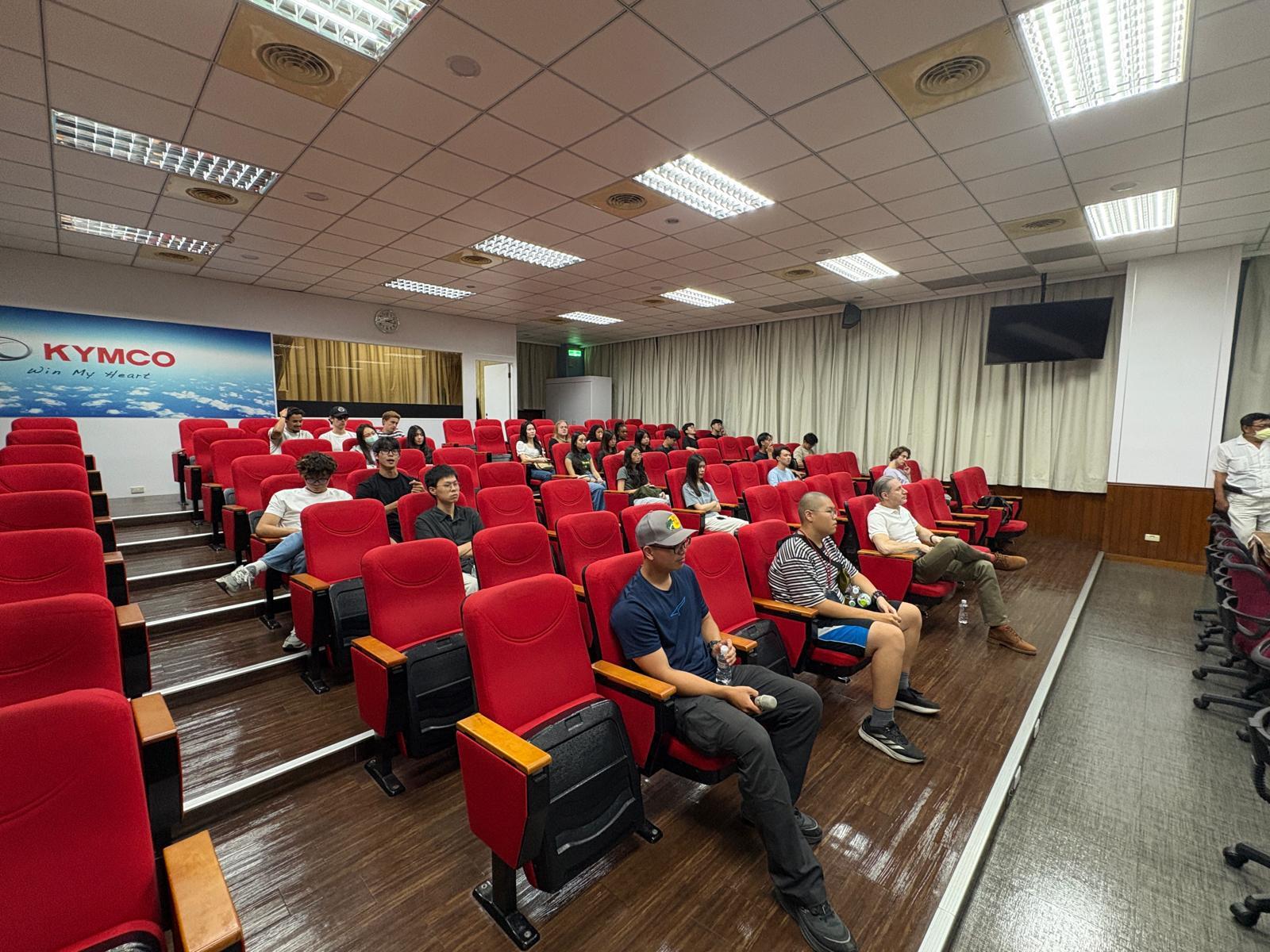
The supply-chain discussion was especially relevant because KYMCO operates with a lean planning system. Students learned that domestic parts may arrive shortly before production, while imported inputs require much longer planning horizons. The spokesperson explained that KYMCO uses both short-term and long-term planning meetings to align procurement with expected demand. This illustrated how firms manage inventory risk, supplier timing, and production continuity. It also showed why forecasting and coordination are critical when a company wants to avoid both material shortages and excessive inventory.
Students also asked how KYMCO responds when unexpected problems occur, such as supply disruptions, sudden contract orders, or urgent equipment needs. The response emphasized emergency meetings, cross-department coordination, and target-setting before action is taken. This gave students a practical example of how companies respond to uncertainty. From a financial perspective, such situations can affect cash flow, capital spending, production schedules, and risk exposure. From an investment perspective, they also show why firms must remain flexible when operating in global markets.
Overall, the KYMCO visit showed that manufacturing strategy is not limited to production alone. The company’s competitiveness depends on the connection between factory efficiency, supplier planning, international partnerships, tariff conditions, investment decisions, and risk management. For students, the visit helped connect classroom concepts to a real business setting, showing how financial management and portfolio-related thinking both appear in the decisions made by a global manufacturer.