【SPEECH】How Generative AI Shapes the Future: Insights from Dr. Hui-Yu Shih at NSYSU
Written by Chelsea Kendra Lemmuela
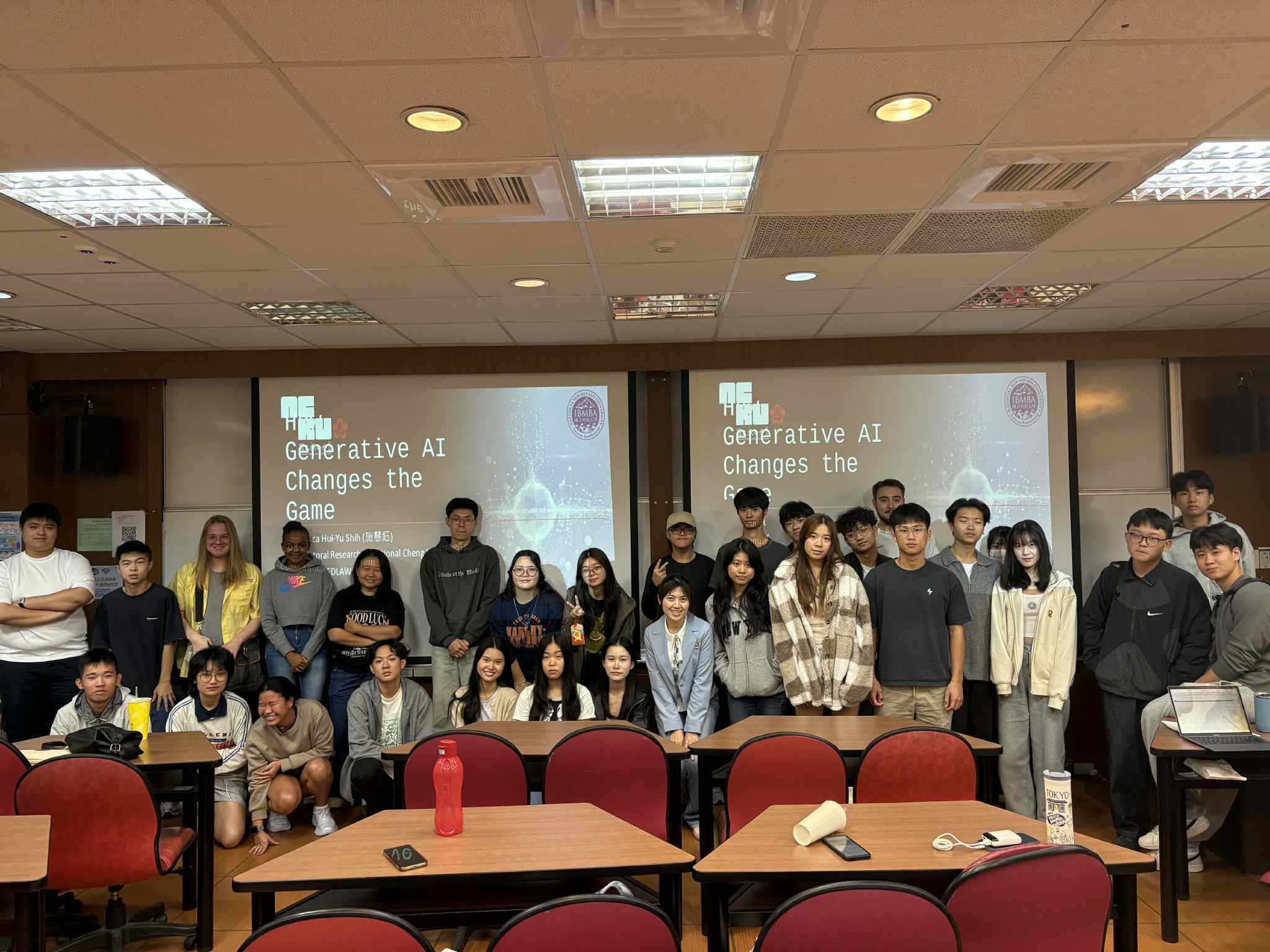
On November 21, 2025, students in the IBBA program at National Sun Yat-sen University attended an engaging and thought-provoking guest lecture by Dr. Hui-Yu (Jessica) Shih, Postdoctoral Researcher at National Cheng Kung University and consultant at FDLaw Law Firm. With extensive experience in intellectual property rights (IPR), technology management, and applied AI tools, Dr. Shih offered students a unique perspective on the intersection of innovation, intellectual property, and generative AI in modern business environments.
Dr. Shih opened the session by sharing her academic and professional background, highlighting her research on workplace motivation and her hands-on consulting experience in patents, trademarks, and copyright protection. She emphasized how intellectual property plays a crucial role in protecting brands, products, and innovations—from smartphone designs to trademarked music—underscoring that each type of creation aligns with its own form of IPR protection.
A key part of her lecture involved explaining patents as strategic assets. Beyond legal protection, patents serve as powerful competitive tools that firms use to strengthen market positioning, negotiate partnerships, and signal innovation capability. This strategic view helped students understand IPR not just as regulation, but as a driver of business value.
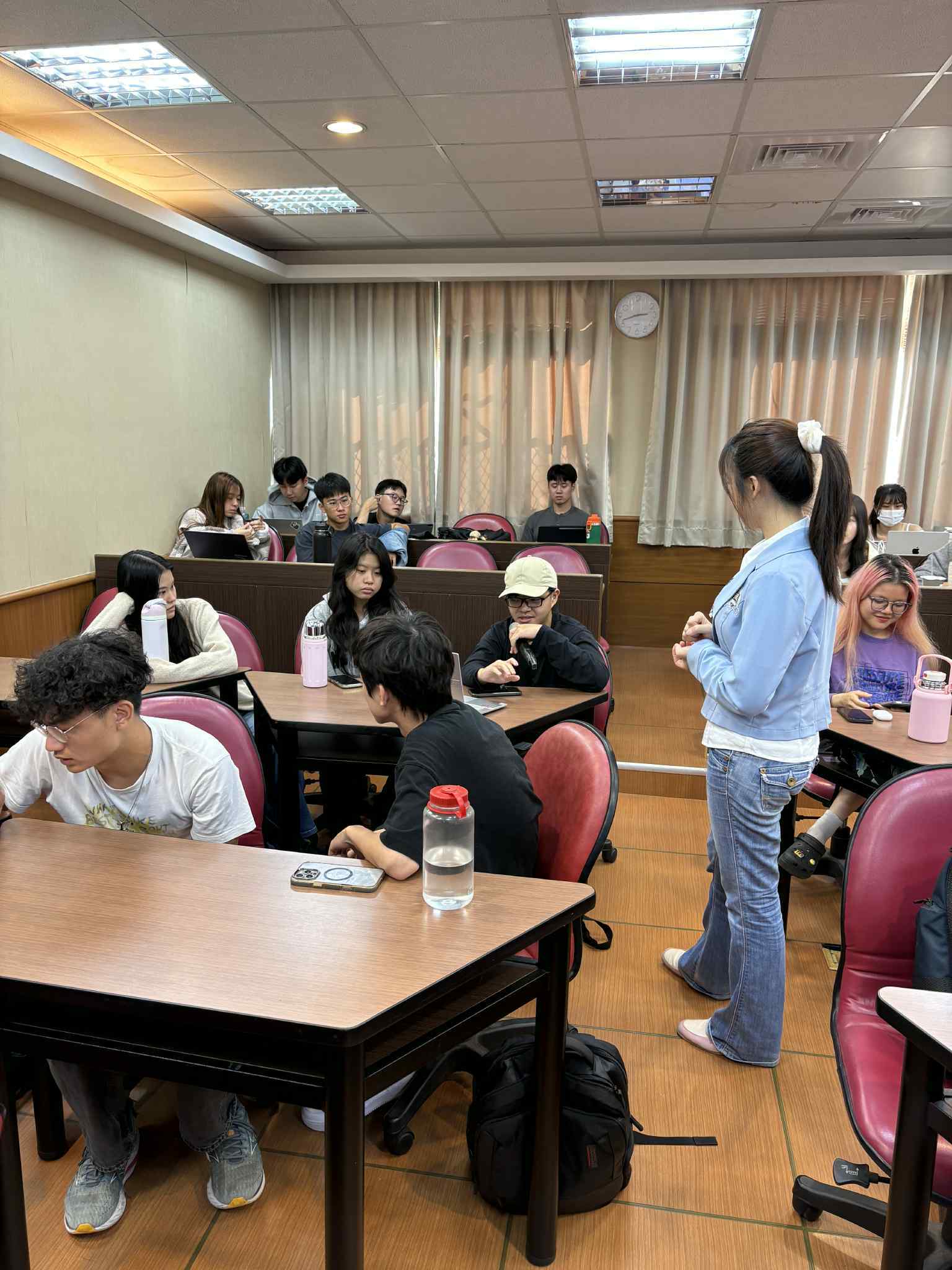
To illustrate how human attention interacts with complex tasks, Dr. Shih introduced a short focus and attention-span game. The exercise demonstrated how the brain can easily be distracted when overloaded, reinforcing the idea that both humans and AI must manage input carefully—and that clear task design is essential whether working with people or machines.
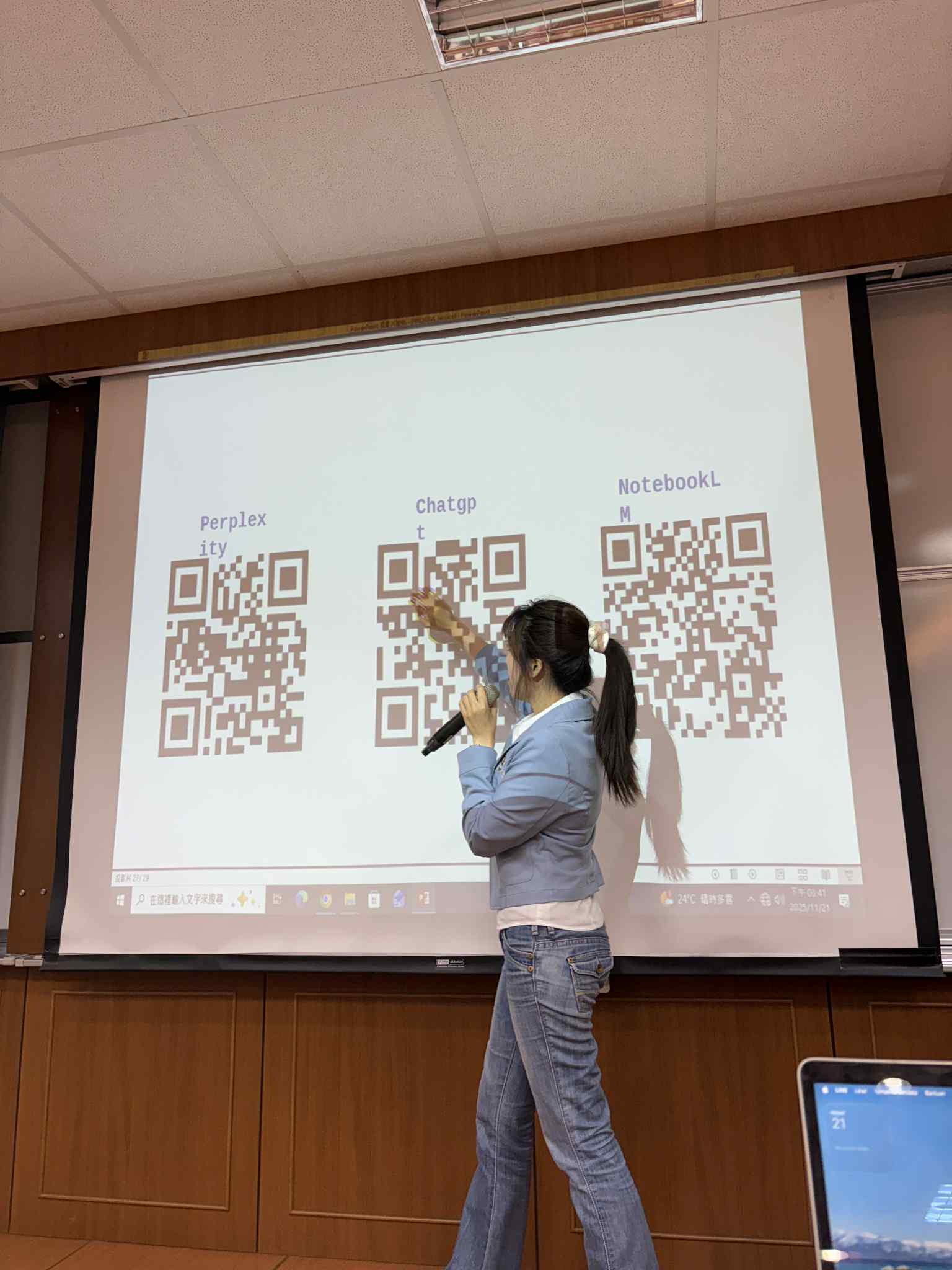
Transitioning into the world of generative AI, Dr. Shih explored how various AI tools can integrate into daily life, academic research, and professional workflows. She demonstrated advanced capabilities through Notebook LM, showing how the tool can generate videos, podcasts, and structured proposals from uploaded documents. This highlighted how AI can streamline creativity and accelerate output when used thoughtfully.
Despite the power of these tools, Dr. Shih emphasized a crucial reminder: “AI gives us speed, but we keep on thinking.” She explained that while AI can summarize reports, analyze trends, or generate initial drafts, students should still identify key concepts, verify sources, and articulate their own reasoning. This approach ensures learning remains intentional rather than passive.
Dr. Shih also showed how she personally uses AI—especially financial-analysis tools like Perplexity Finance—to break down complex financial reports and uncover insights efficiently. Her demonstration revealed how professionals can leverage AI not to replace expertise, but to expand it.
Another highlight of the lecture was her explanation of three simple habits for better prompting, followed by a comparison between general prompts and highly specific prompts. Students saw how prompt precision dramatically improves the quality of AI responses, turning vague results into actionable insights. Effective prompting, she stressed, is becoming a critical communication skill in the age of AI.
In discussing why many AI projects fail, Dr. Shih pointed to a common pitfall: over- reliance on AI without proper verification. She emphasized that AI systems can be inaccurate or outdated, and relying on them blindly can lead to significant errors. Human judgment, critical thinking, and cross-checking remain essential components of responsible AI use.
The session concluded with an encouraging message: although AI continues to transform industries, the value of human insight, creativity, ethics, and strategic decision- making remains irreplaceable. Tools may accelerate work, but thoughtful professionals determine direction.
The IBBA program expresses its sincere appreciation to Dr. Hui-Yu Shih for sharing her expertise and experience. Her lecture not only deepened students’ understanding of intellectual property and generative AI, but also inspired them to approach technological innovation with curiosity, responsibility, and confidence.