【SPEECH】Intercultural Communication – Guest Lecture by Instagram Influencer Shing-Shen Chang “The Tea 101”
Written by Jan Dariusz Filipp
As part of the Intercultural Communication course, students attended an engaging guest lecture by Shing-Shen Chang (Simon), the Instagram tea influencer @theteaoryofeverything with more than 40,000 followers and a respected tea merchant in Taiwan. Organized by Professor Ryan Brading, Ph.D., with support from Teaching Assistant Yanek Filip, the session introduced students to the cultural richness, historical depth, and scientific foundations of tea. Through his lecture “Tea 101,” Simon encouraged students to challenge their assumptions and consider how intercultural communication shapes the development, meaning, and global evolution of tea—connecting directly to the core cultural themes explored in the course.
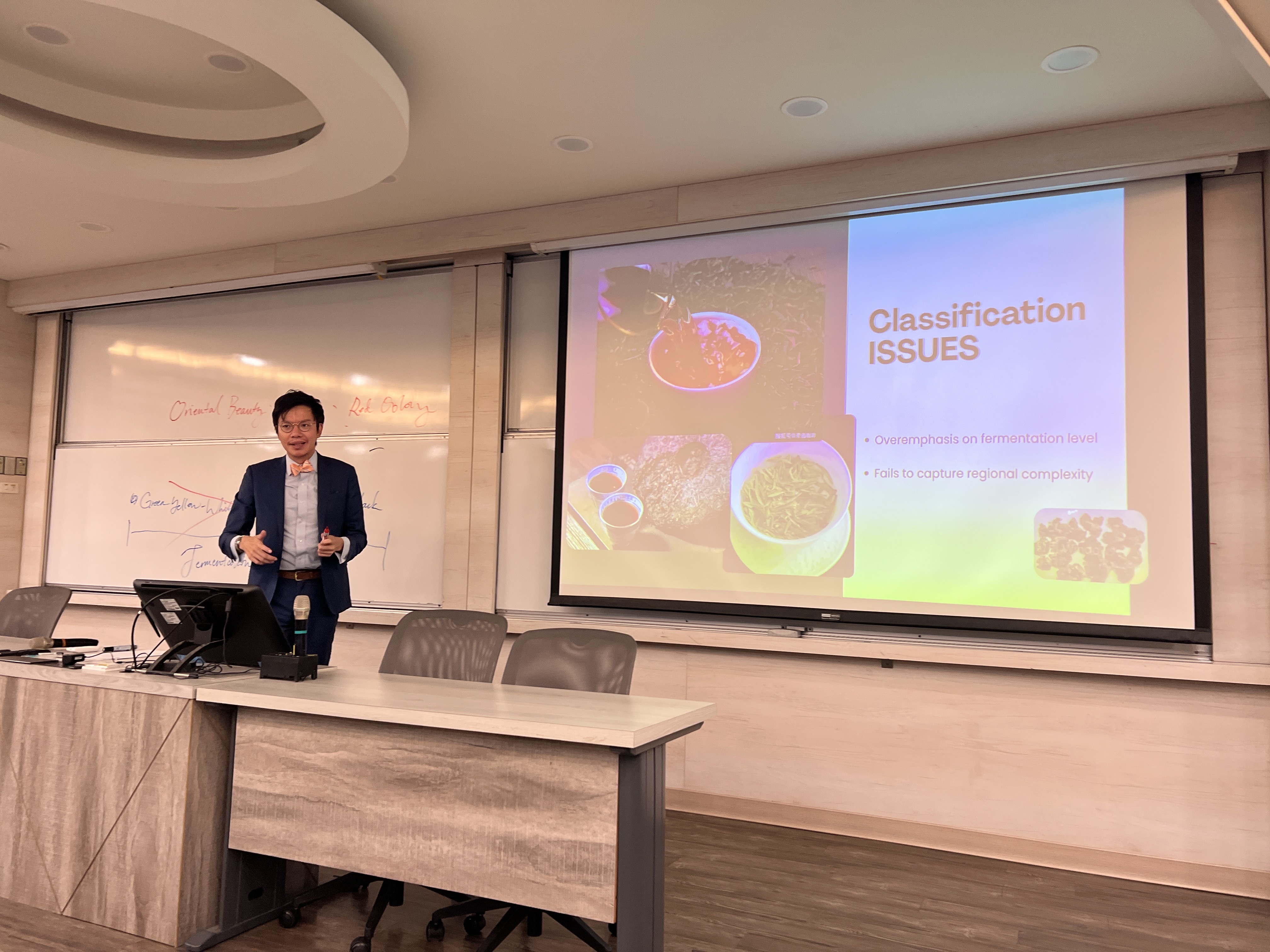
The lecture opened with a striking provocation: “There is no black tea.” Simon explained that what Asia has long classified as red tea became known as black tea in the Western world—a powerful example of how cultural translation can reshape, and at times distort meaning. Building from this insight, he guided students through the evolution of modern tea classifications, showing that although these systems were designed to simplify understanding, traditional labels especially the commonly used notion of “fermentation levels” often fail to capture the actual complexity of tea processing.
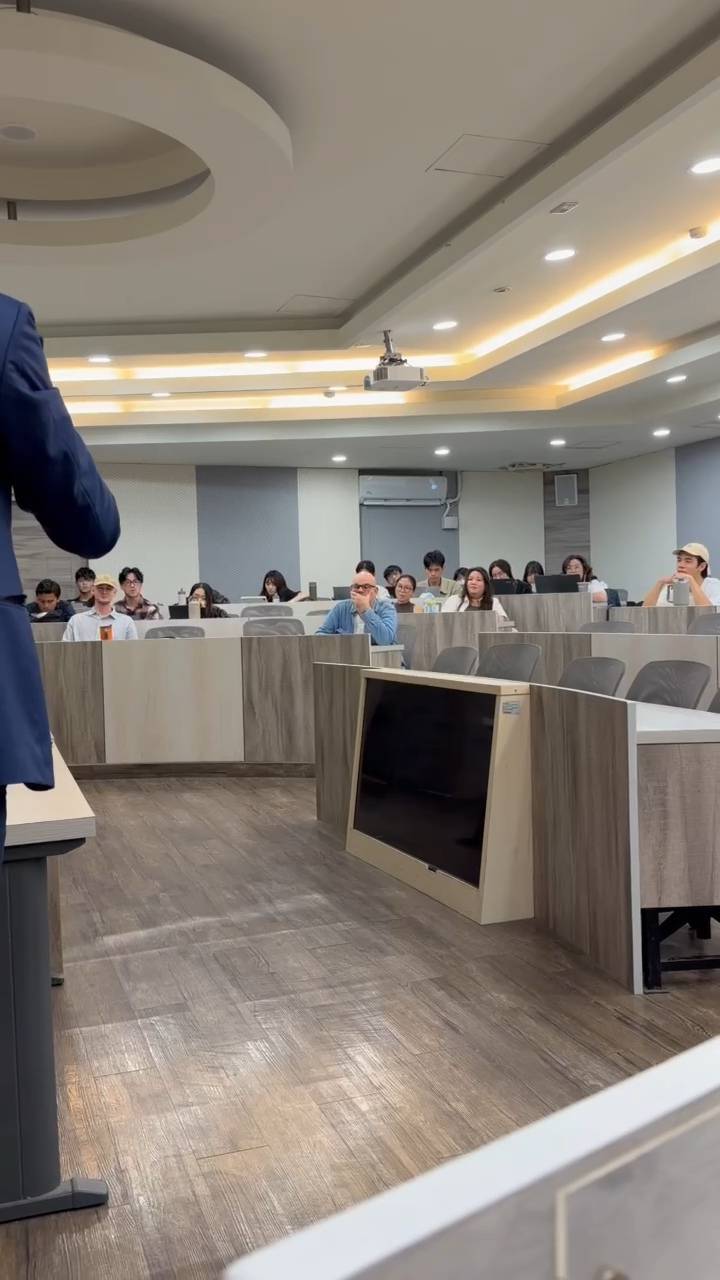
To illustrate these limitations, Simon compared teas such as red tea and oriental beauty, showing how surface-level categories can obscure the deeper scientific and structural differences that give each tea its distinct character. This raised a central question for the audience: If simple fermentation labels cannot accurately describe tea, then how should we classify what we are drinking?
The discussion then expanded to one of the most influential—but problematic—tools in the contemporary tea world: the flavor wheel. While designed as a helpful guide, Simon argued that it has unintentionally encouraged superficial tasting habits and the rise of so-called “masters” who focus on terminology rather than true understanding of tea mechanisms. In extreme cases, such oversimplification has even contributed to quasi-cult movements surrounding tea appreciation.
To ground the conversation in substance, Simon walked students through what tea tasting truly involves. He began with the external factors—processing, cultivar, and terroir—before moving inward to the anatomical structures of the tea leaf itself. He explained the roles of epicuticular tissue, palisade tissue, and sponge tissue, showing how these layers collectively influence the flavors and sensations that emerge in a cup of tea.
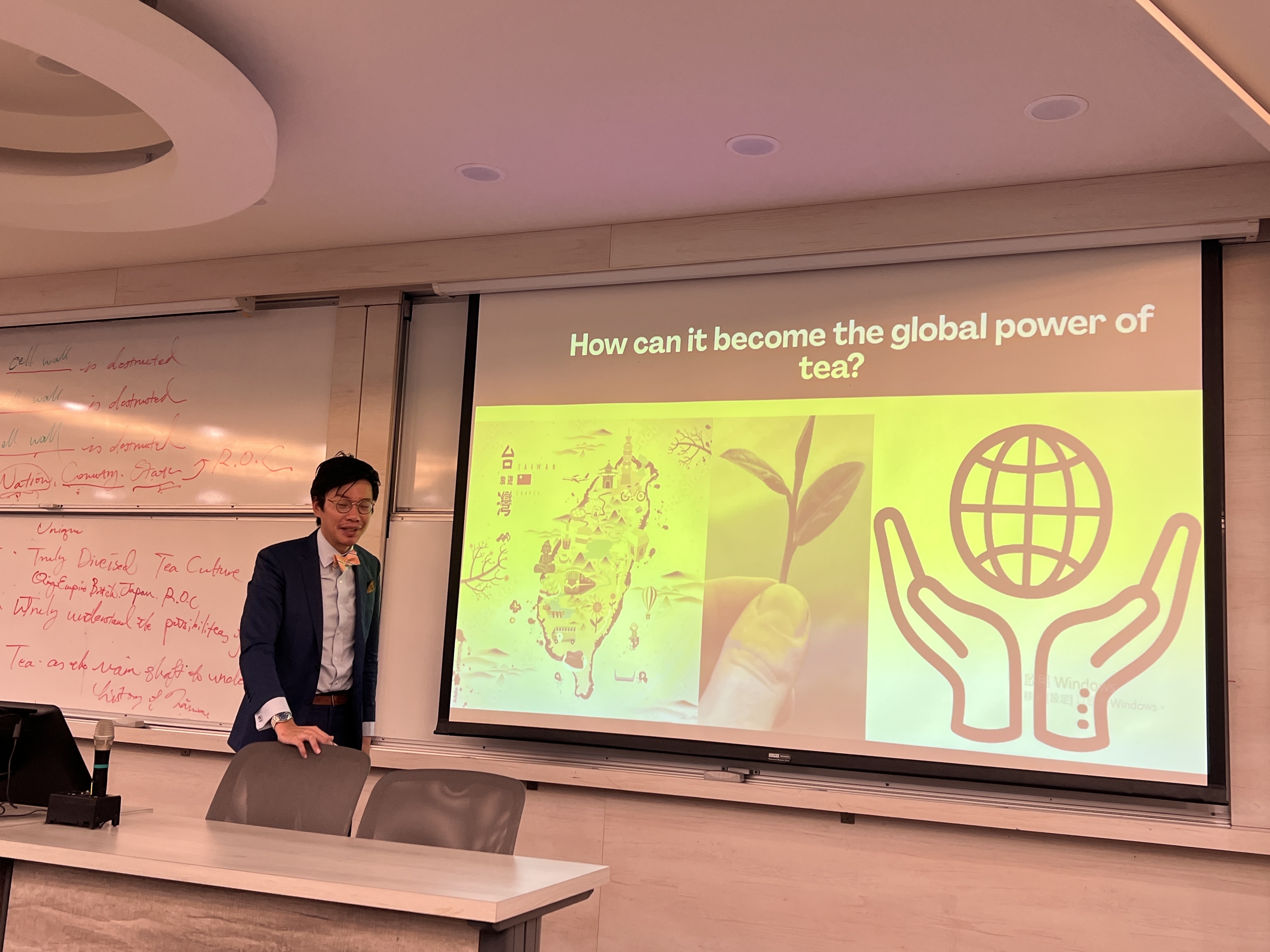
The lecture then moved to the global stage, focusing on the unique importance of Taiwanese tea in the international tea industry. According to Simon, Taiwan may be the only place in the world that has fully explored the entire spectrum of tea processing possibilities. This achievement is rooted in the region’s diverse cultural influences and its history, where tea serves as a central thread for understanding periods of colonization, industrial development, and cultural exchange.
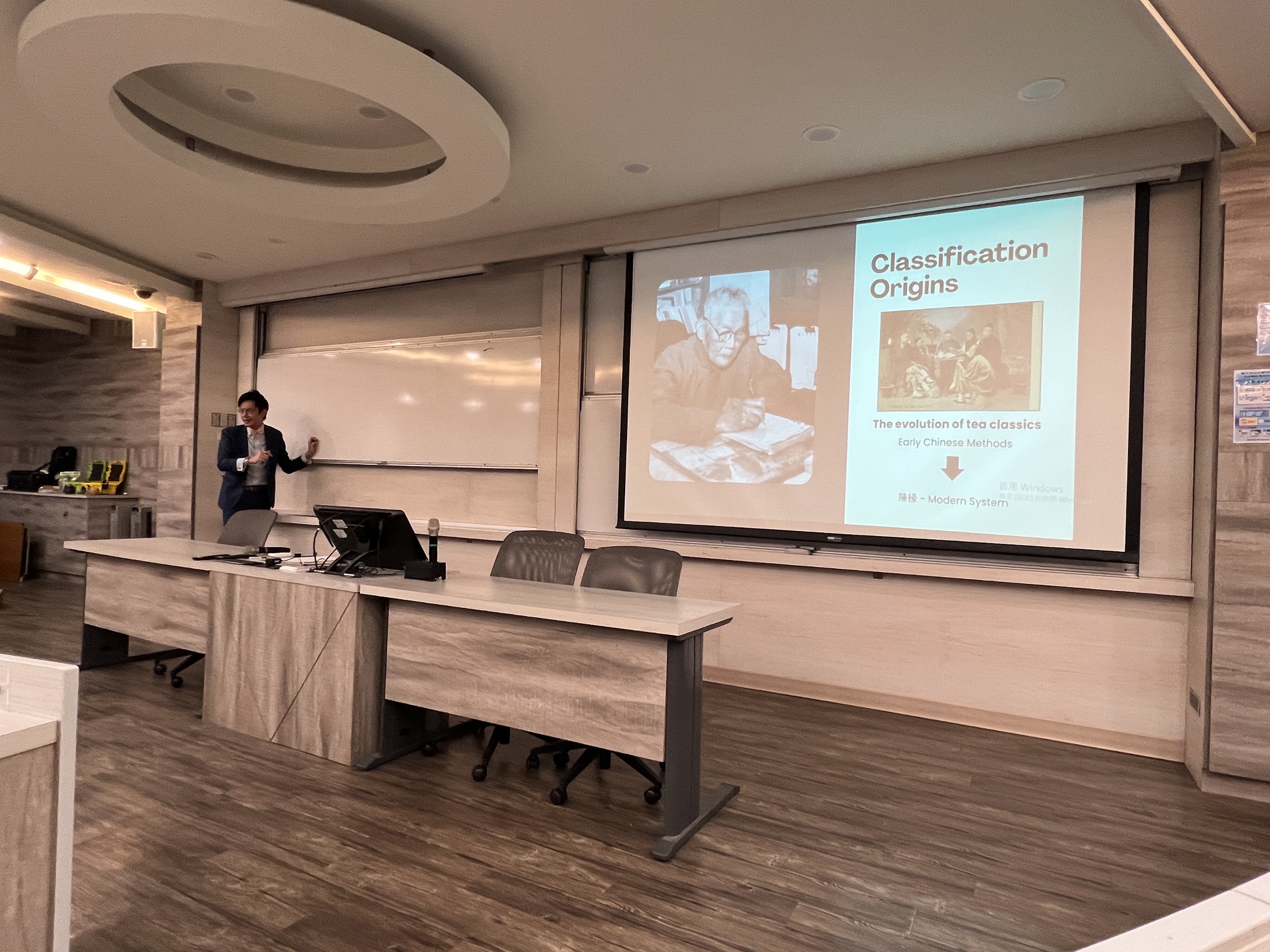
In the final part of the lecture, Simon examined the strategic and societal meaning of tea. Far beyond its role as a simple beverage, tea has served as a vital cultural and political resource across nations. He explored its differing roles in Japanese society, Japanese-era in Taiwan, British colonial life, and Communist China, concluding with a brief look at how these historical forces shaped contemporary Taiwanese tea culture, including the growth of major brands such as Ten Ren.
Throughout the session, students gained a richer appreciation of how tea operates at the intersection of culture, identity, and communication. Simon’s dynamic explanations and cross-cultural comparisons made clear that tea is far more than a drink—it is a medium through which societies express history, values, and collective memory.
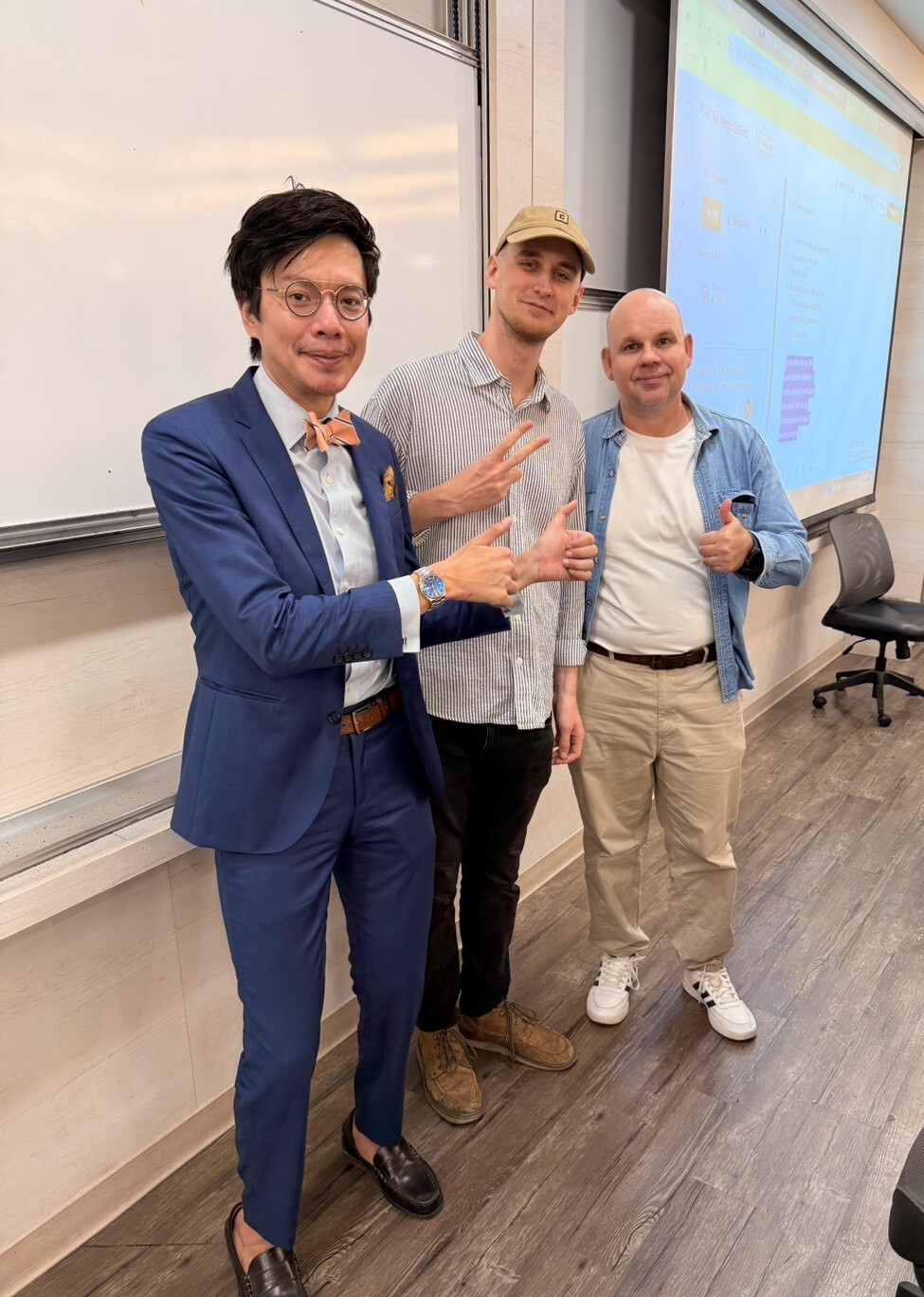
Special thanks are extended to Simon Chang for sharing his expertise, and to Professor Ryan Brading for organizing and facilitating this meaningful learning experience.